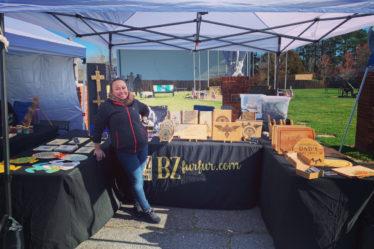

We’ve all had that moment at a market when someone points to a piece and asks, “What does this mean?”
They’re not just making conversation—they’re seeking connection. If someone’s going to bring your art into their home, they want to feel the same emotional pull that you felt when you created it. That’s where storytelling comes in.
If you want to build a loyal collector base and make repeat sales, you need more than beautiful work—you need a narrative. When your art tells a cohesive story, people don’t just buy a piece—they buy into your world.
Understanding What Buyers Really Want
Whether someone’s a serious collector or just stopping by out of curiosity, they’re looking for something to draw them in. They want the same spark they get from a great book, a powerful movie, or a gripping story. That’s your job as the artist—to make the meaning behind your work accessible.
Be ready to talk about your pieces. Learn to read your audience. Ask questions. See what they care about and help them connect your art to their own experiences. Remember: your emotions created the work—but once it’s in someone’s home, it becomes about their story too.
Pro tip:
Use signage and placards in your booth to give your work context. Name your collections. Share your process. Let the words be an extension of the work.
Consistency is Key
Ever walked into a shop where everything felt scattered and random? Hard to navigate, right? Your booth—or your portfolio—should never feel that way.
A consistent style, color palette, or thematic focus helps people understand what they’re looking at. It makes your display feel intentional and helps customers connect the dots between your pieces.
Let your art speak first. After welcoming someone in, let them browse. If they ask questions, use that moment to share the bigger picture. Does this collection reflect your cultural roots? Your childhood? Your growth as an artist? Point out those connections.
Look at your current body of work and ask yourself:
Would someone recognize this as mine in a friend’s home?
That kind of recognizable voice will resonate far beyond a single sale.
And don’t worry if your style evolves—it should. Just make it part of your story. Growth is part of your identity, too.
Tell Your Story—Your Way
So… who are you?
Because whoever you are—that’s what your art should be rooted in.
Draw inspiration from core memories, life milestones, challenges, and the weird little obsessions that make you you. Keep old photos, favorite quotes, or art that moves you close by. Create mood boards. Reflect.
When someone asks, “Why did you make this?” don’t settle for “It looked cool.” Ask yourself why it felt cool.
Does it speak to who you want to become?
Does it evoke a raw emotion—love, fear, pride, sorrow?
Let that depth guide your answers—and your work.
And no, not every single piece has to be part of the same overarching narrative. Group your work into smaller series based on theme or feeling, and then link those series into something larger. That becomes your artistic story arc.
What Now?
Once you’ve found your voice, share it.
- Add a story section to your website
- Write about it in your blog
- Post on social media with storytelling captions
- Create highlights or reels that walk through your collections
The more you speak about your narrative, the more people associate you with that story—and the more they’ll want to be part of it.
Go back through your current body of work. Reconnect with the pieces that shaped you. Share your thoughts with us on Instagram @bz_furfur—and as always,
Stay unique.